How Garden Clubs Influenced Neighborhood Flower Growing
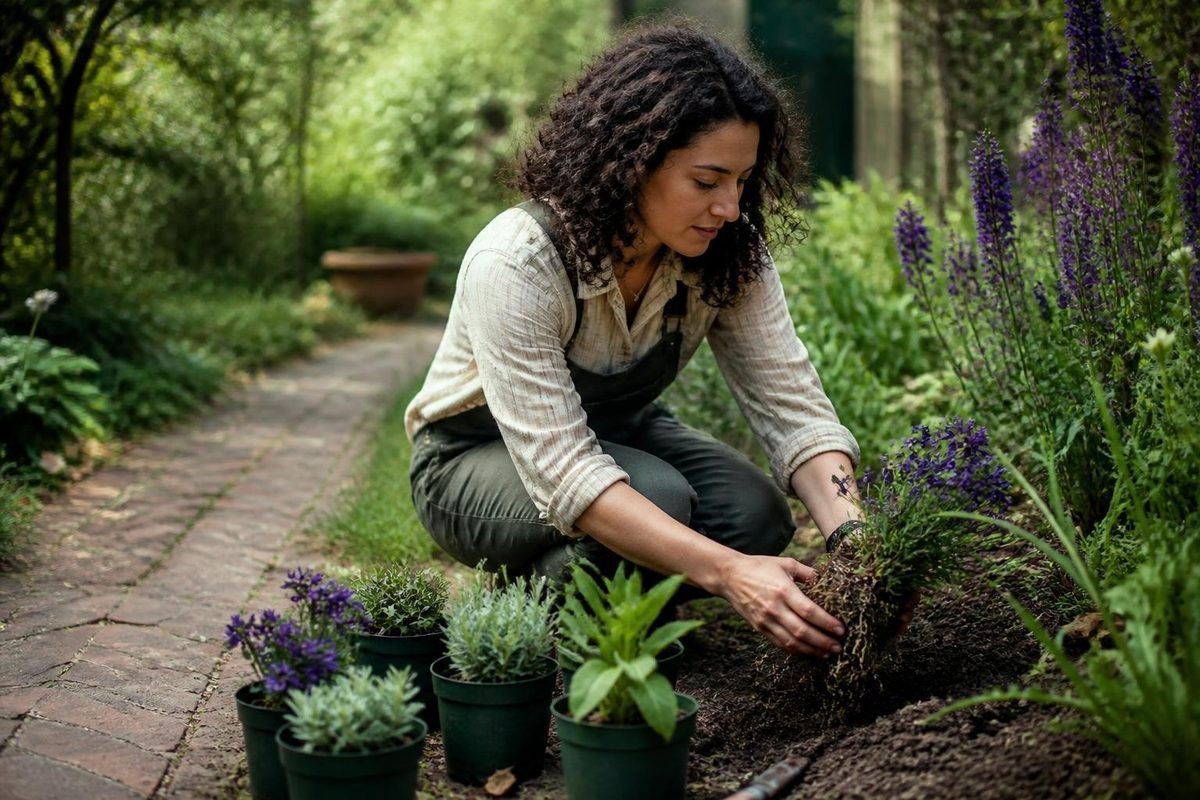
Garden clubs influenced neighborhood flower growing by helping people share plants, practical knowledge, and enthusiasm for tending local spaces. Their meetings, flower shows, and community projects could turn individual gardens into a shared neighborhood interest.
Sharing plants and growing knowledge
Garden clubs brought people together around a common activity. Members could compare what grew well in local soil, discuss pests and weather, and learn from one another's successes and mistakes. That local knowledge was useful because growing conditions can vary considerably, even between nearby places.
Plant exchanges made it possible to try flowers without starting every garden from seed. Members could divide established perennials, collect seeds, or share cuttings. A plant passed from one garden to another might appear along several streets, giving neighbors a visible connection to one another.
Clubs also organized talks and demonstrations on subjects such as planting, pruning, and flower arranging. Some drew on the knowledge of experienced gardeners or invited horticultural specialists. These gatherings gave newer growers a place to ask specific questions and see techniques put into practice.
Flower shows offered another way to learn. By displaying blooms and arrangements, growers could compare varieties and see how others presented them. Judging and competition mattered at some shows, but a display could also introduce visitors to flowers they had not considered growing.
Flowers beyond the garden fence
Garden club activity did not always stop at private gardens. Members also organized planting and maintenance projects in shared places. The scale depended on the club, its resources, and what local authorities or property owners permitted.
Projects could include:
- Planting flowers around community buildings or meeting places.
- Helping maintain beds in parks and other public spaces.
- Offering plants or advice for local beautification efforts.
- Organizing neighborhood garden tours or flower displays.
These efforts made flower growing more visible. A cared for bed near a familiar building could show which plants survived local conditions and how they looked through the growing season. Tours and displays let visitors see gardens that might otherwise have remained private.
Not every club welcomed or represented every resident. Membership rules, cost, available time, and social barriers could limit participation. Even so, ideas and plants shared through a club could travel beyond its membership as neighbors talked and exchanged material with one another.
Common questions
Did garden clubs create neighborhood flower growing?
No. People grew flowers in their neighborhoods before garden clubs existed. Clubs helped organize and extend an activity that was already part of many communities.
What kinds of flowers did members share?
That varied by place and period. Seeds, cuttings, and divisions of perennial plants were practical items to exchange because they could be used to start new plants.
Did clubs focus only on private gardens?
No. Some worked on public planting projects, organized flower shows, or supported the care of shared spaces as well as helping members with their own gardens.
How can a club still influence a neighborhood?
Members can share locally useful advice and plants, invite residents to demonstrations, and work with property owners or local authorities on flower beds that the community can enjoy.
Read next: Vienna art history and flowers